

When, how and where do birds sleep?
When it gets quieter in the evening, many animal lovers and families ask themselves the same question: when, how and where do birds actually sleep? While mammals usually have a fixed bed, blackbirds, tits and robins roost in bushes, hedges, trees or even niches in buildings. At the same time, they have to protect themselves from predators, cold and moisture. Roosting behavior and roosting places differ greatly depending on the bird species, season and habitat - and it is precisely this diversity that makes the topic so exciting for anyone who wants to observe and better understand birds.
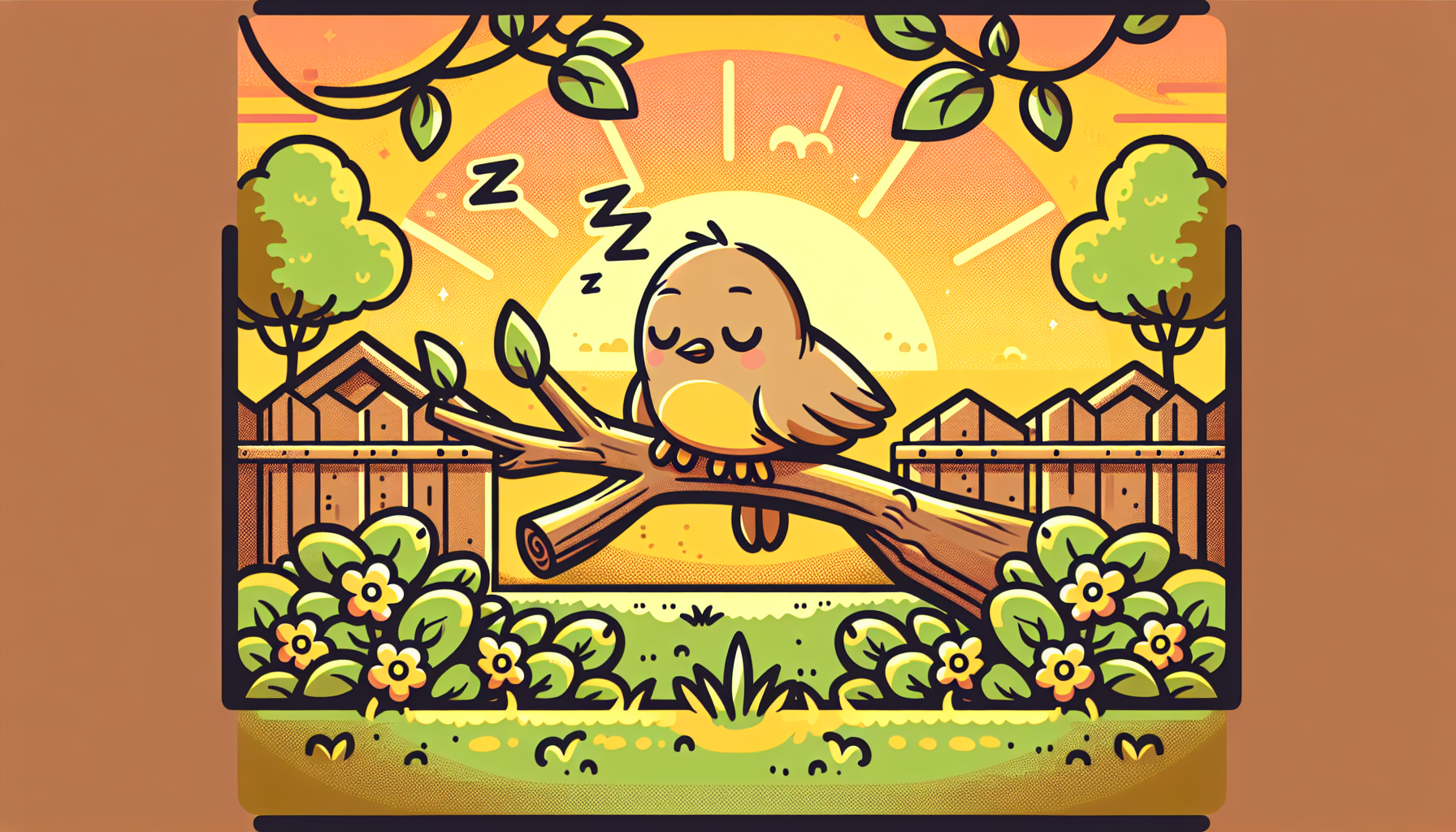
Most native wild birds in Central Europe mainly sleep at night and spend the day foraging, socializing and territorial behaviour. Sleep is essential for their survival: it regenerates the body, strengthens the immune system and helps them adapt to changing environmental conditions. If you know when, how and where birds sleep, you can better recognize patterns of behaviour in your own garden, offer targeted protection and, with a bit of luck, even observe rare sleeping communities or special resting positions.
TL;DR - The most important facts about bird roosting in brief
- Most wild birds are active during the day and sleep at night, songbirds often sleep from dusk until shortly before sunrise.
- Depending on the species, birds roost in trees, hedges, nesting boxes, niches in buildings, on the ground or in reeds and reed beds.
- A typical roosting position is on a branch with the head tucked into the feathers; waterfowl often roost standing on one leg.
- Many species use group roosts to better protect themselves from predators and to share warmth.
- In winter, they prefer sheltered, warmer roosts such as dense branches, nesting boxes or crevices in buildings.
- Modern technology such as a bird feeder with a camera makes it possible to observe roosting and resting phases in the garden at close range without disturbing the animals.
When do birds sleep and how long do they need to rest?
How do the sleeping rhythms of day and night birds differ?
When birds sleep depends largely on whether they are diurnal or nocturnal. Most native songbirds - such as tits, finches and blackbirds - are active during the day and mainly sleep at night. With the onset of dusk they retreat to safe sleeping places, while the first calls of dawn often sound shortly before sunrise. Owls and owlets, on the other hand, are typically nocturnal: they rest in tree hollows, dense canopies or building niches during the day and become active at dusk when their prey is on the move.
Between these extremes, there are crepuscular species that are mainly active in the morning and evening. Migratory birds also show particular patterns: some species can sleep briefly at high altitudes during flight or use micro-sleeping phases to cover long distances. For observers, it is often only indirectly recognizable when exactly a bird is sleeping, as many resting postures appear very inconspicuous.
How many hours do birds sleep per day?
The length of time birds sleep varies according to species, season and life stage. Many smaller songbirds get roughly 8 to 12 hours of rest in a 24-hour period, although this is not always taken in one go. In the long winter nights of Central Europe, the sleeping phase of resident birds is significantly longer than in summer, when brood care, territory defense and foraging take up more time. Larger species, such as waterfowl or corvids, often spread their resting phases more evenly throughout the day and take several shorter sleep sequences.
During the breeding season, adult birds tend to sleep less, especially when young birds need to be cared for in the nest. At the same time, they increasingly adopt resting postures, in which they remain alert but conserve energy. In gardens in particular, it can be observed how birds take short breaks in the early afternoon, during which they sit fluffed up on a protected branch and only become active in the event of danger.
Where do birds roost in the garden, in the forest and in the city?
What typical roosting places do wild birds use in the garden?

Birds use a variety of roosting sites in the garden, depending on species, size and social behavior. Songbirds such as blue tits and great tits often roost in tree hollows, nesting boxes or dense ivy, while blackbirds, robins and sparrows like to spend the night in dense hedges, shrubs or conifers. Good protection from wind, rain and predators such as cats, martens and birds of prey is crucial. Higher branches with sufficient side shoots offer safety and allow a quick escape in an emergency.
In structurally rich gardens with diverse planting, several roosting communities can therefore often be observed. Sparrows, for example, like to gather in groups in the same bushes over and over again, while solitary birds tend to choose hidden individual spots. If you want to observe birds roosting, you will benefit from dense hedges, old trees and additional structures such as nesting boxes, which many species also use as roosts outside of the breeding season.
Where do birds roost in forests and along water bodies?
In forests, the vertical structure of the trees plays a decisive role. Many forest birds roost high up in the canopy, where they are less easily reached by ground predators. Woodpeckers and cavity-nesting species use natural tree hollows or old woodpecker cavities as a safe roosting place. In the cold season, corvids sometimes form large collective roosts in high trees, which are conspicuous in the evening by their loud calls. These roosting trees are often used for many weeks and are also used for social interaction.
At lakes, ponds and rivers, roosting behavior is quite different. Waterfowl such as ducks, geese and coots often roost standing on one leg on the bank or on structures in the water. Some species also roost directly on the surface of the water, where they are less likely to be surprised by land predators due to the light drifting and mobility of the water. Reed belts and reedbeds offer smaller species such as reed warblers sheltered roosts between the reeds.
How do urban pigeons and other city birds adapt?
In cities, birds have learned to use artificial structures as roosts. Facades, balconies, niches under roofs, bridges and railroad underpasses serve as roosting sites for urban pigeons, house sparrows and swifts in particular. The microclimate near buildings is often somewhat warmer, and light sources can irritate predators or keep them away. At the same time, new risks arise, for example from glass surfaces, traffic or cleaning measures on buildings.
Urban birds often show a relatively high tolerance to artificial light and noise. Nevertheless, they try to find niches that are as quiet and sheltered from the wind as possible. Children in particular are fascinated by these roosts, for example when pigeons regularly spend the night huddled together under a canopy or swifts disappear into crevices high up on house walls.
How birds sleep: positions, senses and special adaptations
Typical sleeping positions: From branch to one-legged stand
Many bird species sleep sitting on a branch. The toes automatically cling on through a tendon mechanism as soon as the legs are bent. This allows birds to sit securely even when sleeping without falling down. The head is usually tucked into the back feathers and the feathers are fluffed up to form an insulating air cushion. This posture reduces the body surface area exposed to the cold environment and saves energy.
Waterfowl such as ducks often sleep standing on one leg, with one leg tucked into their feathers. This typical sleeping position reduces heat loss through the unfeathered legs. Gulls and waders adopt similar postures on beaches or in shallow water. Birds of prey, on the other hand, rest on perches or in treetops, where they remain largely undisturbed and maintain a good overview.
What does half-brain sleep mean in birds?
Half-brain sleep is a special feature of bird sleep. Only one half of the brain rests while the other remains active. The corresponding eye usually remains open and can monitor the surroundings. Birds at the edges of a roosting group display this behavior particularly frequently in order to detect potential dangers early on. This ability allows them to remain at least partially alert despite sleeping and to react more quickly than completely sleeping animals.
The half-brain sleep helps species that rest in open landscapes or exposed roosting sites in particular to reduce their risk. Migratory birds that cover long distances also benefit from short phases of partial sleep, for example during gliding phases at high altitudes. This is often difficult for observers to recognize, as the transition between wakefulness and rest is fluid.
How do birds protect themselves from the cold and predators during sleep?
To prevent birds from cooling down during sleep, their feathers provide highly effective thermal protection. By fluffing up, air is trapped between the feathers, which acts as an insulating layer. Many small species seek out sheltered niches, such as dense bushes, nesting boxes or tree hollows, where the wind is much weaker and the temperature can be several degrees higher than the surrounding area. When it is very cold, sparrows or tits sometimes huddle close together to share body heat.
At the same time, roosting sites must be chosen in such a way that predators are noticed as early as possible. High branches, inaccessible niches in buildings or reeds in the water make it difficult for predators to gain access. The combination of camouflage, elevated location, group roosting and half-brain roosting makes bird roosting a finely tuned compromise between rest and constant readiness.
Important protective factors for safe roosts
- As little artificial light and noise as possible
- Protection from wind, rain and snow
- Good escape routes in case of danger
- Structures that make access difficult for climbers and ground predators
Collective roosts and seasonal differences in bird roosting
Why do some birds form large roosting communities?
Collective roosts are an impressive phenomenon in the behavior of many bird species. Starlings, crows, jackdaws and swallows in particular sometimes form huge roosting communities in trees, reed beds or urban areas during the migration season or in winter. The main reason for this is improved protection from predators: In a group, the chances of a bird noticing a danger and raising the alarm increase. The animals also benefit from the shared warmth when they sit close together on branches or in reedbeds.
At the same time, communal roosts serve the purpose of social exchange: young birds can follow experienced conspecifics to good feeding areas, and information about dangers or resources spreads quickly within the group. For observers, these places look spectacular when thousands of birds arrive in wave-like formations at dusk and dominate the surroundings both acoustically and visually.
How Do birds' sleep patterns change in winter?
In winter, sheltered roosts are particularly important for birds because low temperatures and wet conditions greatly increase their energy requirements. Many species move their roosts to more densely overgrown structures, use nest boxes or tree hollows more intensively and avoid exposed places. Smaller songbirds lose heat more quickly due to their large surface area in relation to their body volume and must therefore have sufficient energy reserves in the form of fat deposits every night.
Some species show reduced metabolism and falling body temperatures on cold nights in order to save energy. At the same time, the choice of a good roosting place can determine whether a bird survives a very cold night. For bird lovers, this is an important starting point for providing support in their own garden, for example by providing safe roosts and appropriate winter feeding.
Observing birds: Discovering sleeping behavior safely and stress-free
How can you observe birds sleeping in your own garden?

If you want to know when and where birds roost in your garden, you should pay particular attention to the twilight hours. You can often observe sparrows or tits flying purposefully to certain bushes, hedges or trees shortly before sunset and disappearing into them. With a little patience, typical roosting sites can be identified along these flight paths. It is important not to disturb the birds with sudden light or loud noises, as stressed birds lose valuable energy and can more easily fall prey to predators.
Observing nest boxes outside the breeding season is particularly exciting. Many cavity-nesting birds use these roosts as safe places to sleep all year round. Modern technology such as a bird nesting box with a camera can help to document the behavior of the birds inside - for example, how they nestle in, arrange their feathers or react to noises in their environment. Such insights usually remain hidden to the naked eye and are fascinating for children and adults alike.
What role do feeders and cameras play in observation?
Even if traditional feeders are not directly used as roosts, they are important hubs for the daily lives of many garden birds. Shortly before dusk, many species look for energy-rich food one last time to build up sufficient reserves for the night. A bird-friendly feeder therefore provides information on when the birds gradually retreat to their roosts. An integrated camera with AI recognition is particularly helpful, as it automatically identifies visitors and documents their behavior without the need to constantly stand at the window.
For example, a bird feeder with a camera can show which species regularly appear at late dusk, how they behave before they leave for their roosts and whether they adjust their times over the course of the winter. For young families, this creates a constantly growing nature diary right on their doorstep that teaches them about wild birds in a fun way.
Practical tips for a bird-friendly roost in the garden
- 1 Plant dense hedges and shrubs that offer protection from wind and predators, for example hornbeam, privet or wild roses.
- 2 Provide several nesting boxes of different sizes and orientations that are not cleaned or removed even after the breeding season so that they can be used as roosts.
- 3 Create areas that remain as dark as possible at night, for example by adjusting motion detectors or reducing unnecessary outdoor lighting.
- 4 If possible, keep cats and dogs indoors at dusk and at night to protect roosting birds in hedges and bushes.
- 5 Preserve old, structurally rich trees wherever possible, as they offer numerous potential roosting and resting places from the crown to near the trunk.
Advantages of a bird-friendly garden for roosting sites
- More biodiversity and exciting observation potential all year round
- Support for native wild birds in critical phases such as winter and breeding season
- A natural learning environment for children that allows them to experience ecological relationships
Challenges when observing roosting birds
- Roosts are often well hidden and difficult to see
- Approaching too closely can startle birds and cost energy
- Artificial light or flash photography disrupt the natural day-night rhythm
Conclusion: When, how and where do birds sleep - and what can we learn from this?
The question of when, how and where birds sleep leads directly into the fascinating world of their adaptation strategies. Diurnal songbirds use the night to regenerate, while owls and other nocturnal birds sleep through the day. Roosting sites range from treetops, hedges and nesting boxes to niches in buildings and reed beds. Sleeping positions such as sitting on branches with tightly clasped toes, the one-legged stance of waterfowl or half-brain sleep show how closely safety, energy efficiency and rest are linked.
For animal lovers, young families and anyone who enjoys watching birds, knowledge about roosting behavior opens up new perspectives on your own garden or park. Those who provide dense vegetation, safe structures and quiet zones create valuable roosting areas and can make exciting observations at the same time. Continuous documentation, for example via a bird nesting box with a camera or a feeding station with integrated AI recognition, deepens this understanding without disturbing the animals.
Ultimately, the better we know when, how and where birds sleep, the better we can design habitats that offer them rest, protection and stability - and thus ensure greater biodiversity and nature experiences in the immediate vicinity in the long term.